
Architecture today is shaped by performance as much as appearance. Buildings are expected to last longer, respond to climate conditions, and support clean, modern design. Material selection plays a critical role in achieving this balance, especially when working with a glass and aluminium company in dubai that understands both aesthetics and environmental demands. Over the years, traditional materials such as steel, concrete, and wood have defined construction standards. However, aluminium has steadily emerged as a strong alternative for many architectural applications, particularly for projects handled by an experienced glass and aluminium company in dubai.
From our experience at Qaser Al Zahr, the discussion is no longer about replacing traditional materials entirely. It is about choosing what performs best for the demands of modern architecture.
Understanding Traditional Architectural Materials

Steel, concrete, and wood have long been trusted in construction. Steel is known for strength and load bearing capacity. Concrete offers stability and structural mass. Wood adds warmth and a natural finish that many designers still value.
Despite these strengths, traditional materials often come with limitations. Steel requires continuous protection against corrosion. Concrete can develop cracks and surface wear over time. Wood needs regular treatment to maintain durability, especially in outdoor or humid conditions. These factors increase long term maintenance and impact project costs.
Why Aluminium Fits Modern Architectural Requirements
In regions with strong sunlight and high temperatures, glass plays a major role in indoor comfort. Using basic clear glass without heat control properties allows excessive heat to enter your home.
This leads to rooms heating up quickly, air conditioning running longer, and electricity bills climbing month after month. Over time, the cost of energy can easily exceed what you thought you saved on cheaper glass. Proper insulated or reflective glass helps maintain a balanced indoor temperature and reduces strain on cooling systems.
Design Flexibility and Visual Appeal

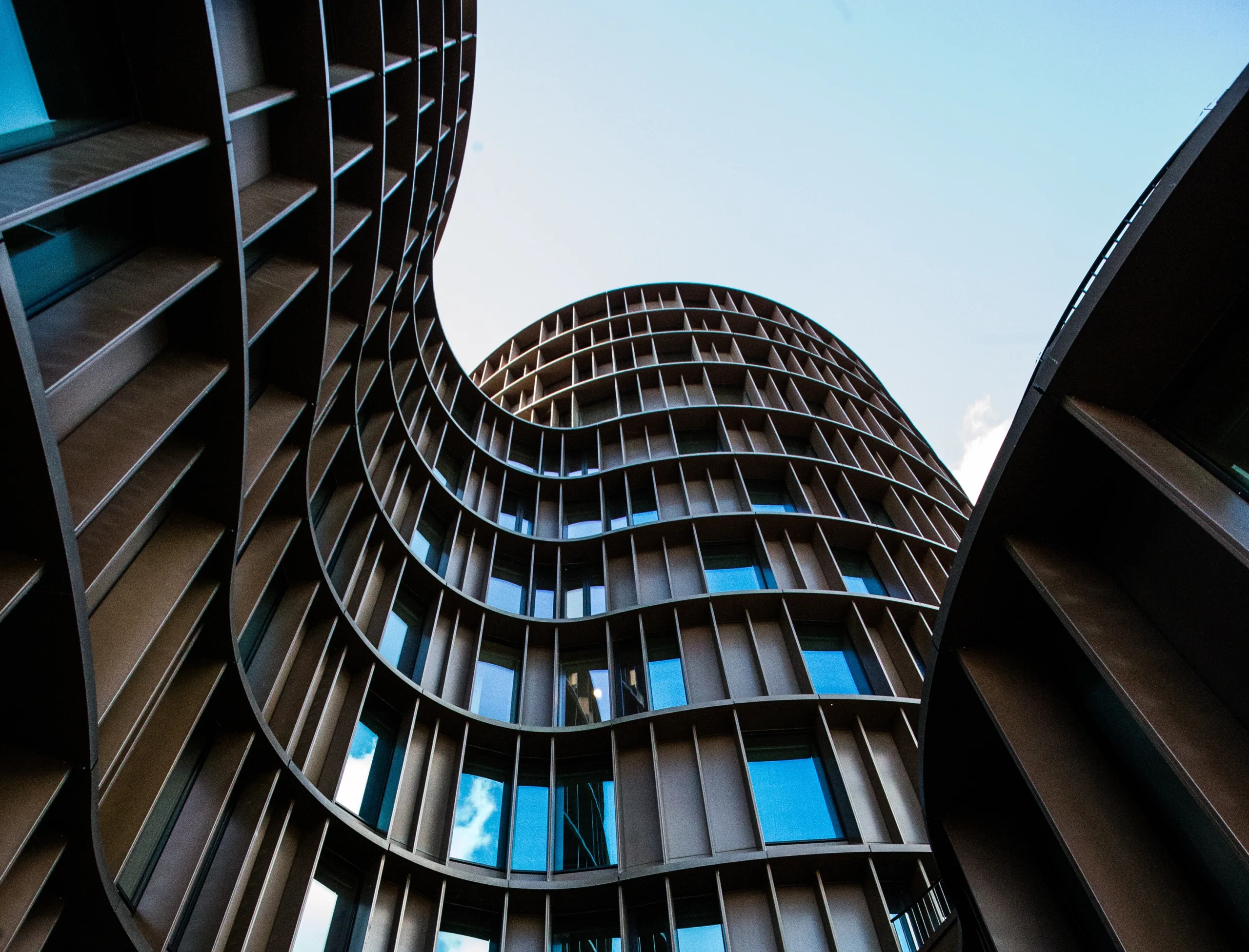
Modern architecture often relies on sharp lines, minimal detailing, and innovative forms. Aluminium supports this approach exceptionally well. It can be extruded, bent, perforated, and finished in a wide range of textures and colours. This allows architects to achieve complex designs without compromising strength or consistency.
Traditional materials sometimes restrict design due to thickness, weight, or fabrication limits. Aluminium gives designers more freedom while maintaining precision and uniformity across large surfaces.
Maintenance and Long Term Performance
Maintenance is a practical concern for any building owner. Aluminium requires very little ongoing care compared to traditional materials. It does not rust, warp, or degrade easily. Finishes remain stable for years with minimal cleaning.
This reliability reduces lifecycle costs and avoids frequent repair work. For commercial buildings, public spaces, and hospitality projects, low maintenance materials directly support operational efficiency.
Sustainability and Responsible Building

Sustainability is now a central part of architectural decision making. Aluminium stands out for its recyclability. It can be recycled repeatedly without losing quality, and recycled aluminium requires significantly less energy to produce.
While steel and concrete also have recycling processes, aluminium offers higher efficiency and long term environmental value. This makes it a responsible choice for projects aiming to reduce their environmental impact.
Where Traditional Materials Still Matter
Traditional materials continue to play an essential role in construction. Concrete remains critical for foundations and core structural elements. Steel is still widely used for heavy frameworks. Wood remains popular for interiors and specific aesthetic applications.
The shift is not about elimination but smarter application. Aluminium complements traditional materials by handling elements where performance, finish quality, and design flexibility are most important.
How Qaser Al Zahr Approaches Material Selection

Qaser Al Zahr focuses on selecting materials based on function, environment, and design intent. Aluminium is widely used in facades, cladding, pergolas, louvers, canopies, and decorative architectural elements. Its balance of strength, appearance, and durability makes it well suited for modern projects.
Each project is evaluated individually to ensure materials support both visual goals and long term performance.
Making the Right Choice for Modern Architecture
Choosing between aluminium and traditional materials depends on the project’s requirements. Aluminium answers many challenges faced by contemporary architecture, including maintenance, sustainability, and design flexibility. Traditional materials remain important, but their use has become more targeted.
For projects seeking longevity, efficiency, and refined design, aluminium continues to prove its value. If you are planning an architectural project and evaluating material options, contact us to discuss how Qaser Al Zahr, a trusted glass and aluminium company in dubai, can support your vision with tailored aluminium solutions.
Why is aluminium widely used in modern architecture
Aluminium offers durability, low maintenance, and design flexibility, making it suitable for contemporary architectural elements.
Is aluminium suitable for exterior architectural applications
Yes. Aluminium performs well in outdoor environments and resists corrosion, even in coastal or high humidity conditions.
How does aluminium compare to traditional materials in maintenance
Aluminium requires significantly less maintenance than steel or wood, reducing long term costs.
Can aluminium be customised for architectural designs
Aluminium can be fabricated and finished in various forms to meet unique design requirements.
How can Qaser Al Zahr assist with aluminium architectural projects
As a trusted glass and aluminium company in dubai, Qaser Al Zahr provides expert guidance, precision fabrication, and reliable installation solutions tailored to your architectural needs. Contact us now.
