

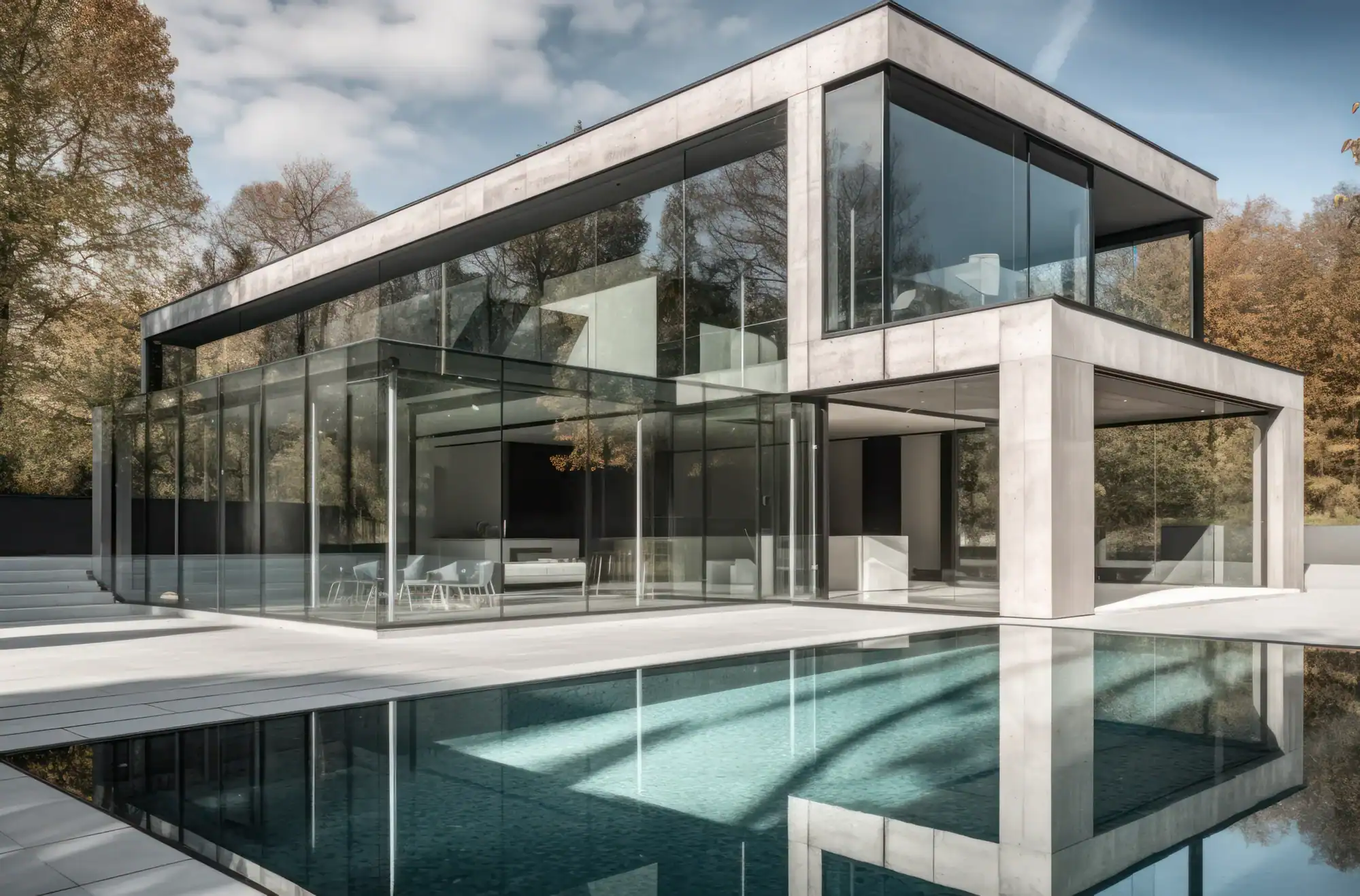
Glass has always been part of modern design, but what we are seeing as we move into 2026 is something deeper. Glass is no longer just a surface or a divider. It is becoming a defining element that shapes how spaces feel, flow, and function.
At QASER AL ZAHR, we work closely with architects, interior designers, and property owners across residential and commercial projects. What we are seeing on the ground tells a clear story. Glass design is moving toward warmth, intelligence, sustainability, and expressive character.
Let’s break down the glass design trends that are shaping interiors and architecture in 2026.
Textured and Patterned Glass Takes Center Stage

Smooth clear glass will always have its place, but 2026 is all about texture. Fluted, ribbed, reeded, and softly patterned glass is becoming a favorite in both interiors and facades.
Textured glass adds privacy without blocking light. It creates depth and visual interest while still feeling light and open. We are seeing it used in partitions, shower enclosures, cabinet doors, stair railings, and office dividers.
What makes this trend powerful is balance. You get privacy and personality without sacrificing brightness or space.
Smart Glass Becomes a Design Standard
Smart glass is no longer a luxury feature reserved for high end projects. In 2026, it is becoming part of the standard conversation.
With the ability to shift from transparent to opaque, smart glass allows spaces to adapt instantly. Offices use it for meeting rooms. Homes use it for bathrooms and large windows. Hospitality projects use it to enhance guest experience.
From an architectural perspective, smart glass also supports energy efficiency by controlling heat and light. From an interior perspective, it gives designers flexibility without cluttering spaces with curtains or blinds.
Warm Tinted and Colored Glass Returns

Clear glass is being joined by subtle colors. Bronze, smoke grey, amber, soft green, and muted blue tones are making a strong comeback.
These tones add warmth and sophistication. They soften harsh light and create a more inviting atmosphere. In interiors, tinted glass is appearing in partitions, balustrades, shelves, and decorative panels. In architecture, it adds identity to facades without overpowering the building.
The key trend here is restraint. Colors are elegant and understated, not loud or flashy.
Curved and Organic Glass Forms
Straight lines will always exist, but 2026 is embracing curves. Curved glass brings movement and softness into spaces that once felt rigid.
Architects are using curved glass for facades, corners, staircases, and skylights. Interior designers are using it for feature walls, display units, and custom partitions.
This shift reflects a broader design movement toward organic forms that feel more human and less mechanical. Curved glass makes spaces feel fluid, modern, and thoughtfully designed.
Sustainability Drives Glass Choices

Sustainability is no longer a trend. It is a requirement.
In 2026, clients are asking smarter questions about glass. Where it comes from. How it performs. How it contributes to energy efficiency.
Low emissivity glass, solar control glass, recycled materials, and long lasting installations are becoming priorities. Glass that reduces heat gain, improves insulation, and lasts longer aligns with both environmental responsibility and long term cost savings.
At QASER AL ZAHR, we see sustainability not as a limitation but as an opportunity to deliver better performing and more beautiful spaces.
Minimal Framing and Seamless Integration
Another clear direction for 2026 is minimal framing. The focus is on glass that feels uninterrupted and clean.
Slim profiles, hidden fixings, and frameless systems allow glass to blend effortlessly into architecture and interiors. This approach enhances natural light and makes spaces feel larger and calmer.
Whether it is a glass railing, partition, or facade, the goal is clarity and simplicity.
Why These Trends Matter

What all these trends have in common is intention. Glass in 2026 is not decorative by accident. It is chosen for how it performs, how it feels, and how it supports the way people live and work.
For architects and designers, glass becomes a tool for storytelling. For property owners, it becomes an investment in comfort, efficiency, and long term value.
At QASER AL ZAHR, we stay ahead of these trends so our clients do not just follow design directions but lead them.
Ready to Shape the Future With Glass
If you are planning a new project or upgrading an existing space, now is the time to think differently about glass. The right glass solution can transform how a space looks, feels, and functions.
Contact us today at QASER AL ZAHR to explore custom glass solutions designed for the future.
What type of glass is most popular for interiors in 2026
Textured and tinted glass are leading the way, especially fluted and softly colored options that balance privacy with natural light.
Is smart glass worth the investment
Yes. Smart glass improves flexibility, privacy, and energy efficiency, making it valuable for both residential and commercial spaces.
Can curved glass be used in residential projects
Absolutely. Curved glass is increasingly used in homes for staircases, partitions, and feature walls to create softer and more elegant spaces.
How does glass support sustainable building design
Modern glass reduces heat gain, improves insulation, and allows more natural light, which lowers energy consumption and supports sustainability goals.
How can I choose the right glass design for my project
The best approach is to work with experienced glass specialists who understand design, performance, and installation. Contact us at QASER AL ZAHR and our team will guide you from concept to completion.
